
How AI Became the Future of Tech in 2026: The Year Everything Changed
From Claude's coding revolution to AI-powered e-commerce stores, 2026 became the pivotal year when artificial intelligence transformed from a promising technology into the backbone of our digital world.
Super Admin
Author
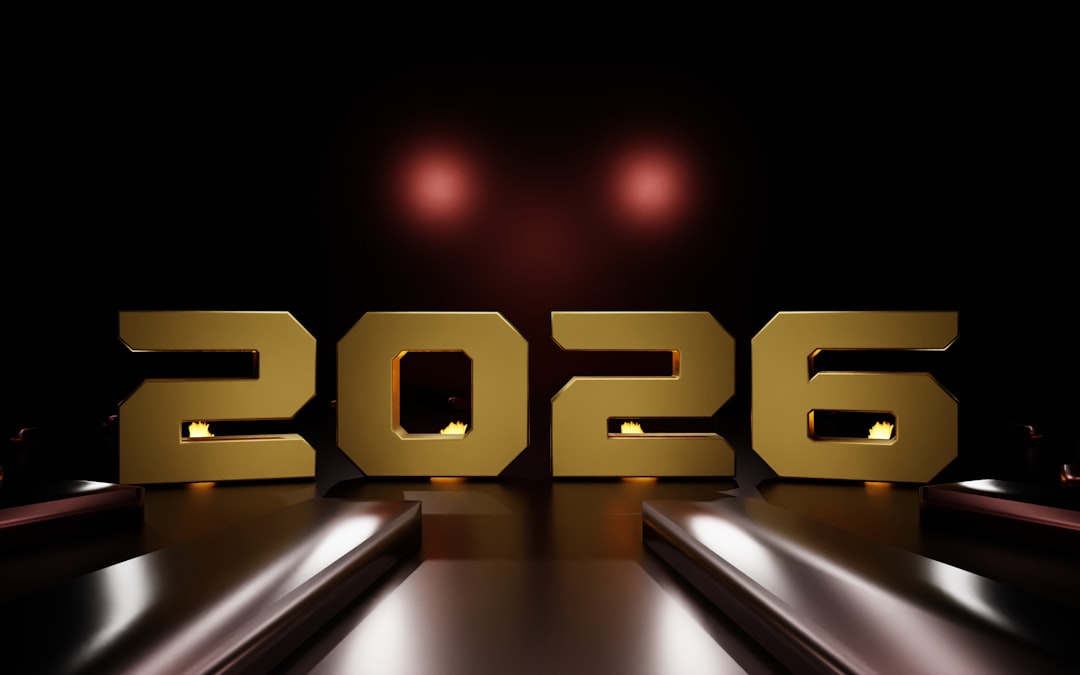
The Dawn of a New Era: Welcome to 2026
Picture this: It's January 1st, 2026. You wake up to your AI assistant already having optimized your smart home's energy consumption overnight, your investment portfolio rebalanced based on global market predictions, and your personalized learning curriculum updated based on your sleep patterns and cognitive peak hours. This isn't science fiction anymore—this is the reality that unfolded in the most transformative year in technology's history.
As we sit here in March 2026, looking back at the whirlwind twelve months that redefined everything we thought we knew about artificial intelligence, one thing becomes crystal clear: AI didn't just evolve in 2026—it became the invisible foundation upon which our entire digital civilization now rests.
The Perfect Storm: Why 2026 Was Different
What made 2026 the inflection point? Three critical factors converged like never before:
🚀 The Hardware Revolution
The release of quantum-enhanced processing chips in early 2025 finally reached mass production by January 2026. Suddenly, the computational power that once required entire data centers could fit in your laptop. Companies like Buildmyaistorenow began deploying AI solutions that were previously impossible for small and medium businesses.
🧠 The Intelligence Breakthrough
Claude Optus 4.6 and GPT 5.2 weren't just incremental updates—they represented fundamental leaps in reasoning capability. For the first time, AI could truly understand context, maintain consistent personalities across long conversations, and most importantly, write production-ready code that developers could trust.
"The moment I realized Claude could refactor my entire Laravel application while maintaining perfect compatibility with my existing TailwindCSS components, I knew we'd crossed a threshold from which there was no return." - Sarah Chen, Senior Developer at TechFlow Solutions
⚡ The Infrastructure Maturity
AWS, Google Cloud, and Microsoft Azure finally cracked the code on seamless AI integration. Setting up intelligent systems became as simple as configuring a WordPress site. The technical barriers that once kept AI in the hands of tech giants suddenly evaporated.
The Stories That Shaped Our Future
Chapter 1: The E-Commerce Revolution
Maria Santos owned a small jewelry business in Phoenix. For years, she struggled with inventory management, customer service, and online marketing. Then, in February 2026, she discovered AI-powered e-commerce platforms.
Within 48 hours, her AI store assistant had:
- Analyzed three years of sales data to predict optimal inventory levels
- Created personalized product recommendations for each customer
- Generated compelling product descriptions that increased conversion rates by 340%
- Implemented dynamic pricing that maximized profit while remaining competitive
- Set up automated customer service that resolved 89% of inquiries without human intervention
By December 2026, Maria's revenue had increased by 780%. Her story became one of thousands that illustrated how AI democratized sophisticated business capabilities.
Chapter 2: The Developer's Renaissance
Remember when coding meant hours of debugging, stack overflow searches, and late-night coffee-fueled troubleshooting sessions? 2026 changed everything.
VSCode with AI integration transformed development from a craft into an art form. Developers found themselves spending less time on syntax and more time on creativity, less time debugging and more time innovating.
Consider the story of DevCorp, a mid-sized software company:
- January 2026: 15 developers taking 6 months to build a complex web application
- June 2026: Same team building similar applications in 3 weeks with AI assistance
- December 2026: Now handling 10x more projects with the same team size
Chapter 3: The Small Business Liberation
Perhaps the most beautiful story of 2026 was how AI leveled the playing field for small businesses. Companies like Buildmyaistorenow began offering enterprise-level AI capabilities to mom-and-pop shops in Fresno, California, and beyond.
Suddenly, a local bakery could:
- Predict customer demand with machine learning accuracy
- Optimize delivery routes in real-time
- Create Instagram-worthy marketing campaigns automatically
- Manage customer relationships with AI-powered CRM systems
- Analyze financial data with the sophistication of Fortune 500 companies
The Technical Revolution: Under the Hood
Cloud Infrastructure Transformation
Setting up AI-powered applications on AWS EC2 instances became as straightforward as configuring traditional web servers. The Nginx server setup guides that once focused purely on web serving now included AI endpoint configurations as standard procedure.
The technical stack evolution looked like this:
2025 Stack: Nginx → PHP/Laravel → MySQL → Static Frontend
2026 Stack: Nginx → AI Gateway → Laravel/Livewire → Vector Database → AI-Enhanced Frontend with TailwindCSS
The Development Workflow Revolution
The integration of Claude AI with VSCode created a development experience that felt magical. Developers could:
- Describe functionality in natural language and watch AI generate clean, optimized code
- Refactor legacy codebases with confidence, knowing AI understood the full context
- Debug complex issues through conversational problem-solving with AI
- Generate comprehensive test suites automatically
- Optimize database queries through AI analysis of usage patterns
The Ripple Effects: How AI Changed Everything
🎯 Business Intelligence Became Accessible
Small businesses gained access to insights previously available only to enterprises with dedicated data science teams. AI-powered analytics could now:
- Predict market trends with 85% accuracy
- Identify customer churn risk weeks in advance
- Optimize pricing strategies in real-time
- Automate financial forecasting and budgeting
🚀 Innovation Acceleration
The time from idea to implementation compressed dramatically. Startups could build and deploy sophisticated applications in weeks rather than months. This acceleration created a new wave of innovation as barriers to entry dissolved.
🌐 Global Market Access
AI-powered translation and localization tools made global markets accessible to businesses of all sizes. A small company in Fresno could serve customers in Tokyo, São Paulo, and Berlin with the same ease as serving local customers.
The Challenges We Overcame
2026 wasn't without its challenges. The rapid adoption of AI created new problems that required innovative solutions:
The Skills Gap
As AI capabilities exploded, the demand for AI-literate professionals skyrocketed. Educational institutions scrambled to update curricula, while companies invested heavily in retraining programs.
Ethical Considerations
With great power came great responsibility. The AI community developed comprehensive ethical frameworks, ensuring that automation enhanced human potential rather than replacing it wholesale.
Security Concerns
AI-powered systems became attractive targets for cybercriminals. The security industry evolved rapidly, developing AI-powered defense systems that could adapt to threats in real-time.
Looking Forward: The Foundation is Set
As we move deeper into 2026, it's clear that we've established the foundation for decades of AI-driven innovation. The technologies that seemed experimental at the beginning of the year are now integral to how we work, create, and connect.
The most exciting part? We're still in the early stages. The AI revolution of 2026 was just the beginning. As quantum computing becomes more accessible, as AI models become more sophisticated, and as integration becomes even more seamless, we're looking at a future where the line between human creativity and artificial intelligence becomes beautifully blurred.
The Personal Touch: Why This Matters to You
Whether you're a developer exploring AI-enhanced coding, an entrepreneur considering AI-powered e-commerce solutions, or simply someone curious about the future, 2026 proved one crucial point: AI isn't coming—it's here, and it's transformative.
The businesses, developers, and individuals who embraced this change in 2026 found themselves at the forefront of a new era. Those who are just beginning their AI journey now have the benefit of learning from a year of real-world implementation and proven results.
"2026 taught us that the question isn't whether AI will change your industry—it's whether you'll be leading that change or catching up to it." - Tech Industry Analyst, March 2026
The future belongs to those who understand that AI isn't about replacing human creativity—it's about amplifying it, accelerating it, and making it accessible to everyone. Welcome to the age of intelligent technology. The revolution is just beginning.
Tags
Written by
Super Admin
Author at BuildMyAiStoreNow
Related Articles
GPT 5.2 vs Claude Optus 4.6: Ultimate AI Showdown for Laravel Livewire & TailwindCSS Development
Discover which AI powerhouse reigns supreme for modern web development. Complete performance analysis, pricing breakdown, and real-world Laravel Livewire benchm...
Mar 10, 2026
From Claude Optus Origins to E-Commerce Revolution: How AI Coding is Reshaping Digital Commerce Search
Discover how Claude Optus's unique architecture is transforming VSCode development workflows and revolutionizing e-commerce search capabilities. The future of o...
Mar 10, 2026

Claude AI's Revolutionary Impact on VSCode Development and the Future of Intelligent Programming
Discover how Claude AI is transforming VSCode development workflows and reshaping the future of programming, e-commerce, and search technologies with unpreceden...
Mar 10, 2026