
Google Maps Revolutionizes Navigation with AI-Powered "Ask Maps" Feature and Ultra-Immersive Visual Experience
Google Maps unveils game-changing AI assistant and stunning visual upgrades that transform how we explore and navigate the world in 2026.
Super Admin
Author
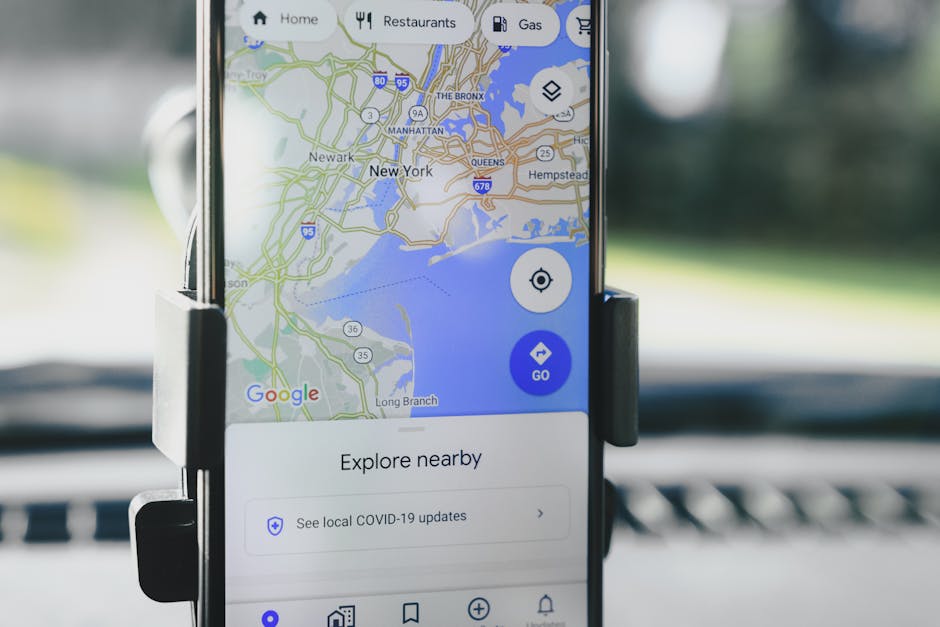
🗺️ The Future of Navigation Has Arrived
In a groundbreaking announcement that's reshaping the digital mapping landscape, Google Maps has unveiled its most revolutionary update yet — introducing an AI-powered "Ask Maps" feature alongside dramatically enhanced immersive navigation capabilities. This isn't just another incremental update; it's a complete reimagining of how we interact with digital maps and explore our world.
The tech giant's latest innovation promises to transform Google Maps from a simple navigation tool into an intelligent travel companion that understands context, anticipates needs, and delivers visually stunning experiences that blur the line between digital and reality.
🤖 Meet "Ask Maps" - Your AI Navigation Assistant
The star of this major update is the new "Ask Maps" AI feature, which fundamentally changes how users interact with mapping technology. Instead of manually searching for locations or scrolling through endless options, users can now engage in natural conversations with their maps.
"Ask Maps represents the biggest leap forward in navigation technology since GPS itself. We're moving from search-based navigation to conversation-based exploration." - Google Maps Product Team
🎯 What Makes Ask Maps Different?
- Contextual Understanding: The AI comprehends complex, multi-part questions like "Find me a dog-friendly restaurant near the beach that's open late tonight"
- Personalized Recommendations: Learns from your preferences, search history, and location patterns to suggest relevant places
- Real-Time Problem Solving: Handles dynamic queries such as "Where can I find parking near my destination that won't break the bank?"
- Multi-Modal Responses: Provides both visual and conversational answers, showing locations while explaining why they're recommended
🌈 Immersive Navigation Gets a Stunning Visual Overhaul
Alongside the AI assistant, Google has completely transformed the visual experience of Maps navigation. The new Ultra-Immersive Navigation feature creates breathtakingly realistic 3D environments that make navigation feel like exploring a digital twin of the real world.
✨ Visual Enhancements That Captivate
The updated immersive navigation introduces several game-changing visual improvements:
- Photorealistic Building Rendering: Structures now appear with incredible detail, showing accurate colors, textures, and architectural features
- Dynamic Weather Integration: Real-time weather conditions are reflected in the 3D environment, from sunny skies to storm clouds
- Enhanced Landmark Recognition: Famous buildings, monuments, and local landmarks are rendered with museum-quality detail
- Improved Lighting Systems: Time-of-day lighting creates authentic shadows and illumination that matches real-world conditions
🚗 Real-World Impact for Drivers and Travelers
These updates aren't just about impressive technology — they solve real problems that millions of users face daily. The combination of AI assistance and enhanced visuals addresses common navigation challenges:
🎯 Problem-Solving Scenarios
- Complex Trip Planning: "Plan a route to downtown that avoids construction and includes a coffee stop" — Ask Maps handles the entire request intelligently
- Visual Recognition: The enhanced 3D rendering helps users identify correct buildings, exits, and turns more confidently
- Accessibility Improvements: Better visual cues and AI assistance make navigation more accessible for users with different abilities
- Local Discovery: AI recommendations help users discover hidden gems and local favorites they might otherwise miss
📱 Integration Across the Google Ecosystem
The new features seamlessly integrate with Google's broader ecosystem, creating a more connected experience:
Ask Maps can pull information from Google Search, Google Reviews, Google Assistant, and even Google Calendar to provide comprehensive, contextual responses that go beyond simple location data.
🔗 Cross-Platform Functionality
Users can expect enhanced integration with:
- Google Assistant: Voice commands work seamlessly with Ask Maps for hands-free operation
- Google Calendar: Automatic route suggestions based on scheduled appointments
- Google Photos: Location-based photo suggestions and memories
- Android Auto: Full functionality extends to in-car systems
🌍 Global Rollout and Availability
Google is taking a phased approach to rolling out these revolutionary features. The Ask Maps AI assistant is initially launching in major metropolitan areas across North America and Europe, with plans for global expansion throughout 2026.
📅 Timeline and Expansion
- Phase 1 (Q2 2026): Major US and European cities
- Phase 2 (Q3 2026): Additional international markets and smaller cities
- Phase 3 (Q4 2026): Global availability with multi-language support
🚀 What This Means for the Future
These updates position Google Maps at the forefront of the AI revolution in navigation technology. The implications extend far beyond simple directions:
🔮 Industry Impact
- Competitive Pressure: Other mapping services will need to innovate rapidly to keep pace
- Business Integration: Local businesses can expect new opportunities for customer engagement through AI recommendations
- Urban Planning: City planners gain access to more sophisticated data about traffic patterns and popular destinations
- Autonomous Vehicles: Enhanced mapping data supports the development of self-driving car technology
💡 Key Takeaways for Users and Businesses
As these features roll out, users and businesses should prepare for significant changes in how location-based services operate:
The convergence of AI and immersive visualization in Google Maps represents a fundamental shift toward more intuitive, helpful, and visually engaging navigation experiences.
📈 Strategic Implications
- For Users: Expect more efficient, enjoyable navigation experiences with less manual input required
- For Businesses: Optimize your Google Business Profile to take advantage of AI-driven recommendations
- For Developers: New APIs and integration opportunities will emerge from these enhanced mapping capabilities
- For Cities: Better data insights can inform infrastructure and urban development decisions
🎯 The Bottom Line
Google's latest Maps update represents more than technological advancement — it's a glimpse into the future of human-computer interaction in physical spaces. By combining sophisticated AI with stunning visual experiences, Google is setting new standards for what users expect from navigation technology.
As we move through 2026, these features will likely become essential tools for millions of users worldwide, transforming how we explore, navigate, and interact with our environment. The marriage of artificial intelligence and immersive visualization in Google Maps marks a pivotal moment in the evolution of location-based technology.
The future of navigation is here, and it's more intelligent, visual, and helpful than ever before.
Tags
Written by
Super Admin
Author at BuildMyAiStoreNow
Related Articles

Facebook Unveils Revolutionary Creator Protection System Against Digital Impersonators
Facebook launches game-changing tools to help creators fight back against impersonators with streamlined reporting and enhanced verification systems.
Mar 14, 2026
YouTube Expands AI Deepfake Detection to Politicians and Journalists: A Game-Changer for Digital Democracy
YouTube launches groundbreaking pilot program extending AI deepfake detection technology to government officials, political candidates, and journalists to comba...
Mar 12, 2026