
YouTube Expands AI Deepfake Detection to Politicians and Journalists: A Game-Changer for Digital Democracy
YouTube launches groundbreaking pilot program extending AI deepfake detection technology to government officials, political candidates, and journalists to combat misinformation and protect democratic integrity.
Super Admin
Author
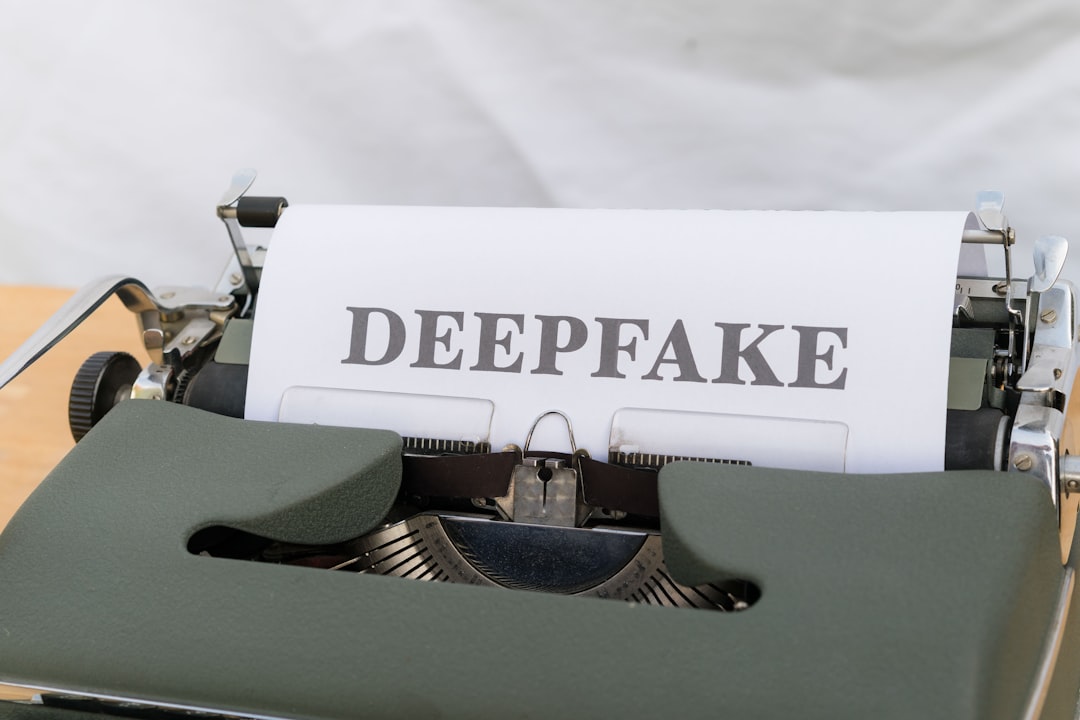
🚨 Breaking: YouTube Takes Bold Stand Against AI-Generated Political Misinformation
In a landmark move that could reshape the digital political landscape, YouTube announced Tuesday that it's expanding its cutting-edge AI deepfake detection technology to a select pilot group of government officials, political candidates, and journalists. This unprecedented initiative marks a critical step in the ongoing battle against AI-generated misinformation threatening democratic processes worldwide.
"This expansion is really about the integrity of the public conversation. We know that the risks of AI impersonation are particularly high for those in the civic space." - Leslie Miller, YouTube VP of Government Affairs
🛡️ From Creator Protection to Democratic Safeguarding
The technology, which originally launched last year to approximately 4 million YouTube creators in the YouTube Partner Program, has now evolved into something far more significant. What began as a tool to protect content creators has transformed into a digital shield for democracy itself.
Members of this exclusive pilot program will gain access to sophisticated detection capabilities that can identify unauthorized AI-generated content featuring their likeness. More importantly, they'll have the power to request removal of such content when it violates YouTube's community guidelines.
How the Technology Works: Beyond Traditional Content ID
Unlike YouTube's existing Content ID system that focuses on copyright-protected material, this likeness detection feature operates on an entirely different level. The AI technology specifically scans for:
- Simulated faces created using advanced AI tools
- Voice synthesis that mimics public figures
- Behavioral patterns that don't match authentic footage
- Contextual inconsistencies in AI-generated content
⚖️ The Delicate Balance: Free Expression vs. Democratic Integrity
YouTube faces an unprecedented challenge in this initiative: maintaining the platform's commitment to free expression while protecting against malicious AI manipulation. The company acknowledges this delicate balance is crucial for maintaining both platform integrity and user trust.
The Growing Threat Landscape
The expansion comes at a critical time when AI-generated deepfakes are becoming increasingly sophisticated and accessible. These tools pose particular risks in the political sphere, where they can:
- Spread misinformation during election cycles
- Manipulate public opinion through fabricated statements
- Undermine trust in legitimate political communications
- Create confusion about authentic vs. synthetic media
🎯 Target Audience: Who Benefits from This Pilot?
The pilot program specifically targets three critical groups in the information ecosystem:
🏛️ Government Officials
Protecting elected representatives and public servants from AI impersonation that could mislead constituents or damage public trust.
🗳️ Political Candidates
Safeguarding campaign integrity by preventing deepfake content that could influence electoral outcomes.
📰 Journalists
Protecting media professionals whose credibility is essential for informed public discourse.
🚀 Technical Innovation: How YouTube's AI Detects Deepfakes
YouTube's deepfake detection system represents a significant advancement in AI safety technology. The platform leverages:
Machine Learning Algorithms
- Facial recognition patterns unique to each individual
- Voice analysis detecting synthetic speech patterns
- Temporal inconsistencies in video frame sequences
- Compression artifacts typical of AI-generated content
Continuous Learning Systems
The AI system continuously evolves, learning from new deepfake techniques and improving its detection capabilities. This adaptive approach ensures the technology stays ahead of malicious actors developing more sophisticated generation tools.
🌐 Global Implications and Industry Impact
This pilot program signals YouTube's recognition that platform responsibility extends beyond traditional content moderation. The initiative could set precedents for:
Industry-Wide Standards
Other platforms may adopt similar protections, creating unified defenses against AI-generated misinformation across the digital ecosystem.
🔮 Future Developments and Expansion Plans
While YouTube hasn't announced specific timelines, industry experts anticipate this pilot could expand to include:
- Celebrity protection programs for entertainment figures
- Business leader safeguards for corporate executives
- Academic and scientific community protections
- International expansion to global political systems
🛠️ Implementation Challenges and Solutions
The rollout isn't without challenges. YouTube must navigate:
False Positive Management
Ensuring legitimate parody, satire, and artistic expression aren't incorrectly flagged as harmful deepfakes requires sophisticated contextual analysis.
Scalability Concerns
Expanding from 4 million creators to potentially millions of public figures requires massive infrastructure scaling and resource allocation.
💡 What This Means for Digital Democracy
Leslie Miller's emphasis on "civic space" protection highlights YouTube's understanding that democratic processes depend on authentic information exchange. This pilot represents more than technological advancement—it's a commitment to preserving democratic integrity in the AI era.
🎯 Key Takeaways
- YouTube's deepfake detection expands to protect democratic figures
- Technology builds on existing Content ID infrastructure
- Pilot balances free expression with misinformation prevention
- System uses advanced AI to detect sophisticated deepfakes
- Initiative could set industry standards for platform responsibility
🔗 Looking Ahead: The Future of AI Content Moderation
As AI generation tools become more accessible and sophisticated, platforms like YouTube must evolve their detection and moderation capabilities. This pilot program represents a crucial step in that evolution, potentially reshaping how we think about authenticity, identity, and truth in digital media.
The success of this initiative could determine whether other platforms follow suit, creating a comprehensive defense network against AI-generated misinformation across the internet's most influential spaces.
Source: This article is based on reporting from TechCrunch, with additional analysis and insights from Buildmyaistorenow's technology experts.
Tags
Written by
Super Admin
Author at BuildMyAiStoreNow
Related Articles
Facebook Unveils Revolutionary Creator Protection System Against Digital Impersonators
Facebook launches game-changing tools to help creators fight back against impersonators with streamlined reporting and enhanced verification systems.
Mar 14, 2026
Google Maps Revolutionizes Navigation with AI-Powered "Ask Maps" Feature and Ultra-Immersive Visual Experience
Google Maps unveils game-changing AI assistant and stunning visual upgrades that transform how we explore and navigate the world in 2026.
Mar 13, 2026